


Aloe Vera Natural Acne Treatment
Posted by Farah Afridi on
Aloe Vera for Acne: Brilliant at Calming It. Not So Great at Stopping It.
Everyone has a tube of aloe somewhere. Bottom drawer, behind the after-sun, bought in a panic after a beach day that went too long. And every summer someone rediscovers it, slathers it on a breakout, and swears it's the answer.
Here's the honest version. As a natural acne treatment, aloe vera is a good idea for about half the problem. It's a soother, not a solver. Used well, it takes the heat out of a pimple. Used as your whole strategy, it leaves the actual cause of your breakouts completely untouched.
Let's do both halves properly.
Is aloe vera good for acne?
Short answer: yes, for the redness, swelling and stinging that come with an active breakout. No, for preventing the next one.
Aloe vera gel is mostly water, with a mix of polysaccharides (the slippery stuff that makes it feel cooling), plant sugars, amino acids, vitamins and compounds with anti-inflammatory activity. That's why it earned its reputation on sunburn, and it's the same reason it helps an inflamed spot feel less angry.
What it does not do is regulate oil, unclog a pore, or change what's happening in your skin before the pimple ever shows up. Acne starts underneath the surface. Aloe works on top of it.
What aloe vera actually does for a breakout
Calms inflammation. The red, hot, swollen part of a pimple is your immune system reacting. Aloe's anti-inflammatory compounds help dial that down, which is why a spot can look flatter and less furious the next morning.
Hydrates without clogging. As far as natural acne treatments go, this is aloe's quiet strength. It's a humectant, so it pulls water into the skin and feels weightless doing it. For acne-prone skin that's been stripped by harsh actives, that's a relief. Non-comedogenic, no grease, no film.
Supports skin repair. Aloe has a long history in wound and burn care, and small studies suggest it may help skin recover. Translation for acne: a pimple you haven't picked at, kept calm and hydrated, is a pimple less likely to leave a mark.
A note on the evidence: there's limited clinical research on aloe and acne specifically. The most-cited study is a small trial where aloe vera gel combined with a prescription retinoid worked better than the retinoid alone in mild to moderate acne. Promising, but it's one small study, and aloe was the supporting act, not the star.
How to use aloe vera on acne
1. Spot-treat overnight. Cleanse, then press a thin layer of aloe gel onto the breakout (and only the breakout). Let it sink in, then moisturiser over the top if your skin is dry. Wash off in the morning. This is the "aloe vera on pimples overnight" trick, and it works best on fresh, inflamed spots, not blackheads or deep cysts.
2. Use it as a calm-down layer after actives. Salicylic acid, retinoids and benzoyl peroxide all work, and all irritate. A layer of aloe after your active and before your moisturiser takes the edge off without cancelling the treatment.
3. Go straight from the plant, carefully. Fresh is the purest option. Cut a mature outer leaf, stand it upright for ten minutes so the yellow sap drains out, then slice off the skin and scoop the clear gel. That yellow sap is aloe latex. It's a known irritant on skin (and a laxative if swallowed), so don't skip the draining step. Patch test on your jaw before you put it on your face.
4. Buy it right. If you're using shop-bought gel, check the label. Aloe should be the first ingredient, ideally 97% or higher, with no added alcohol, fragrance or colour. A lot of the bright green stuff in pharmacies is mostly water, gelling agents and dye.
Does aloe vera help acne scars?
Here's where we manage expectations. Aloe can help with the red or dark marks a pimple leaves behind (post-inflammatory marks), mostly by keeping the area hydrated and calm while it fades on its own. There's no solid evidence it does anything for pitted or indented scars. Those need professional treatment, not a plant.
Should you drink aloe vera for acne?
We don't recommend it as a DIY. Aloe juice isn't the same as aloe gel, and the parts of the leaf that end up in home-juiced or whole-leaf products (the latex and the outer skin) have real safety questions attached, including laxative effects and long-term concerns flagged in animal studies. If a commercial aloe drink appeals to you, check with your GP or pharmacist first. And know that there's no good evidence it does anything for acne from the inside.
The bit aloe can't do
Aloe treats the pimple you have. It has nothing to say about the one forming right now.
Breakouts start with excess oil, sluggish cell turnover and the inflammation your body throws at both. That's an internal process, which is why topical-only routines so often plateau. You calm the surface, the surface keeps producing new spots, repeat.
That's the gap SkinB5 was built for: a natural acne treatment that works from the inside as well as the outside. Our Extra Strength Acne Control Vitamins use high-dose Vitamin B5 to support healthy oil balance and skin renewal from within. Aloe on top, B5 underneath.
And yes, we're aloe fans too. It's in our Acne Control Cleansing Mousse alongside green tea and Vitamin B5, and in our Acne Control Moisturiser with jojoba and Vitamin E. Soothing on the outside, working on the inside. That's the whole system.
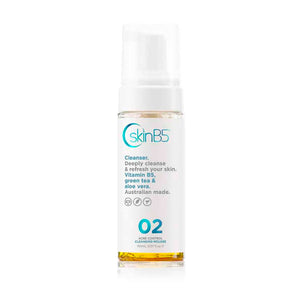
Acne Control Cleansing Mousse 150ml
Add To Cart -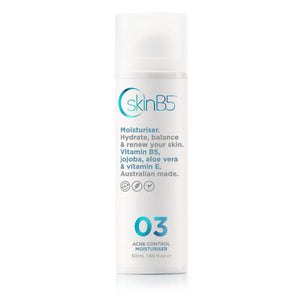
Acne Control Moisturiser 50ml
Add To Cart -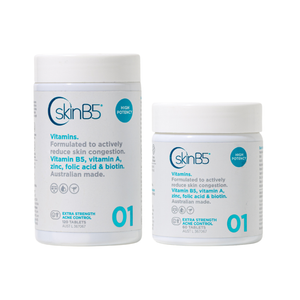
Extra Strength Acne Control Vitamins - choose from 2 pack sizes
Add To Cart -
SkinB5 Starter Kit (FREE Bonus Mask)
Add To Cart -Quick answers
Can I leave aloe vera on my face overnight? Yes, if it's pure gel with no alcohol or fragrance. Spot-apply rather than covering your whole face and patch test first.
How long does aloe vera take to work on a pimple? You'll usually notice less redness and swelling within a day or two. It won't make a pimple vanish overnight, and it won't stop new ones.
Can aloe vera make acne worse? It can if the product has irritants in it, or if you're using fresh leaf without draining the latex. Reactions are uncommon but real. Patch test.
Ready to treat the cause, not just the pimple? Start with the SkinB5 Starter Kit, the inside-out system that pairs Vitamin B5 supplements with aloe-rich topical care.
Related reading: How to Treat Hormonal Acne Without the Nasties · Why Jojoba Oil Is Amazing for Acne-Prone Skin
Skin Health & Wellness Articles
RSS
Does Drinking Water Help Acne?
Does Drinking Water Help Acne? Not the Way You've Been Told. Short answer: No, drinking water doesn't clear acne. There's no good evidence that water...

Are Pimple Patches Actually Effective?
Pimple patches have quickly become a staple in modern skincare routines, earning widespread attention for their ability to target blemishes with precision. These tiny, sticker-like...


