


Types of Pimples & How to Treat Them
Posted by Jammy Justimbaste on
Understanding Acne and Pimples
Pimples and acne are among the most common skin concerns, affecting people of all ages. While they are often used interchangeably, acne refers to a broader skin condition that includes different types of blemishes, whereas pimples are a specific type of breakout. Understanding the various forms of acne is key to choosing the right treatment and achieving clearer skin.
What’s the Difference Between Pimples and Acne?
Acne vs. Pimples
- Acne is a chronic skin condition that includes multiple types of blemishes such as blackheads, whiteheads, papules, pustules, nodules, and cysts.
- Pimples are individual breakouts that occur due to clogged pores and can be a symptom of acne.
- Acne is often caused by factors like hormonal fluctuations, genetics, diet, and stress, while pimples can result from excess oil, bacteria, and clogged pores.
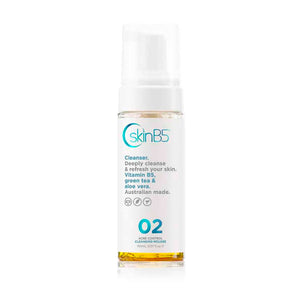
Acne Control Cleansing Mousse 150ml
Add To Cart -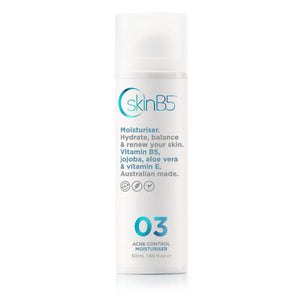
Acne Control Moisturiser 50ml
Add To Cart -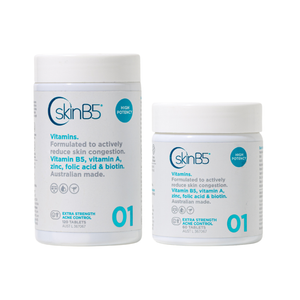
Extra Strength Acne Control Vitamins - choose from 2 pack sizes
Add To Cart -
Skin Rescue Vitamins - One a Day
Add To Cart -What Are the Types of Pimples and Acne?
Acne is typically classified into two main categories:
- Non-Inflammatory Acne – Includes blackheads and whiteheads, which are clogged pores without redness or swelling.
- Inflammatory Acne – Includes pimples that are red, swollen, and often painful, such as papules, pustules, nodules, and cysts.
Non-Inflammatory Acne
Comedones (Clogged Pores)
Comedones are the foundation of acne and occur when pores become clogged with oil and dead skin cells.
Blackheads (Open Comedones)
- Blackheads form when clogged pores remain open, allowing air to oxidise the oil inside, turning it black.
- Common causes: Excess oil production, hormonal changes, and poor skincare habits.
- Best treatments: Regular exfoliation, gentle cleansers, and ingredients like salicylic acid.
Whiteheads (Closed Comedones)
- Whiteheads occur when clogged pores remain closed, creating small, white bumps under the skin.
- Common causes: Oil build-up, dead skin cells, and improper cleansing.
- Best treatments: Gentle exfoliation, oil-free skincare products, and SkinB5 skincare solutions.
Inflammatory Acne
Papules
- Papules are red, inflamed bumps without pus.
- How they develop: When a clogged pore becomes irritated, leading to swelling and redness.
- Best treatments: Anti-inflammatory ingredients like niacinamide at clinical dose found in SkinB5 Acne Control Vitamins.
Pustules
- Pustules are inflamed pimples with a white or yellow centre filled with pus.
- How they develop: Bacteria infects a clogged pore, causing an immune response.
- Best treatments: Spot treatments with salicylic acid or tea tree oil, along with gentle cleansing.
Nodules
- Nodules are large, painful, deep-seated lumps under the skin that don’t contain pus.
- How they differ from other acne types: Nodules develop deep within the skin and can lead to scarring.
- Best treatments: SkinB5 Acne Control Vitamins, dermatologist-prescribed treatments, and anti-inflammatory skincare.
Cysts (Severe Nodulocystic Acne)
- Cysts are large, pus-filled, painful bumps that can cause long-term scarring.
- Causes and potential complications: Severe inflammation deep in the skin leads to cyst formation, often requiring medical intervention.
- Best treatments: Professional treatments like cortisone injections and oral medication.
Less Common Types of Acne
Acne Mechanica
- Causes: Friction, heat, and sweat (common in athletes or people who wear tight clothing).
- Best treatments: Reducing friction, wearing breathable fabrics, and cleansing skin after sweating.
Acne Conglobata
- Description: A severe form of acne with interconnected nodules and cysts.
- Causes: Hormonal imbalances, genetic factors, and untreated severe acne.
- Best treatments: Immediate dermatological care, medical-grade treatments, and SkinB5 internal support.
How to Identify What Type of Acne You Have
- Non-inflammatory acne appears as small bumps without redness.
- Inflammatory acne is red, swollen, and may be painful.
- Severe acne involves deep cysts or nodules.
- If acne persists or worsens, it’s best to consult a dermatologist.
How Severe is Each Type of Acne?
Mild Acne
- Includes blackheads, whiteheads, and occasional papules.
- Best treatments: Gentle skincare, salicylic acid, and SkinB5 Acne Control products.
Moderate Acne
- Includes frequent papules and pustules.
- Treatment options: Over-the-counter treatments, clinically formulated oral supplements like SkinB5 Acne Control Vitamins, and topical retinoids.
Severe Acne
- Includes nodules and cysts, often widespread.
- Treatment options: Prescription medications and professional skincare guidance.
Treatment Options for Different Types of Pimples and Acne
Over-the-Counter Treatments
- Salicylic Acid – Helps unclog pores and exfoliate dead skin cells.
- Benzoyl Peroxide – Kills acne-causing bacteria and reduces inflammation - although recent studies have raised concerns about its potential to degrade into benzene, a known carcinogen.
- Retinoids – Promote cell turnover to prevent clogged pores.
- SkinB5 Acne Control – Decongests the skin while speed up skin healing from within using high-strength Vitamin B5.
Prescription Treatments
- Topical Treatments: Stronger retinoids and antibiotics for persistent acne.
- Oral Medications: Antibiotics, hormonal treatments, and isotretinoin for severe cases.
Lifestyle Changes and Home Remedies
- Diet and Acne: Reducing sugar and dairy can help control breakouts.
- Stress Management: Managing stress through relaxation techniques.
- Skin-Friendly Habits: Using non-comedogenic skincare and avoiding harsh scrubbing.
Frequently Asked Questions
What causes pimples to form in the first place?
Clogged pores, bacteria, and inflammation are the main culprits.
Are all pimples a type of acne?
Not necessarily, but most pimples fall under the acne umbrella.
Can diet really affect acne and pimples?
Yes, certain foods like dairy and high-GI foods can trigger breakouts.
What’s the best way to prevent new pimples from forming?
A consistent skincare routine, a balanced diet, and internal skin support with SkinB5 Vitamins products.
Can acne scars be prevented or treated?
Yes, early treatment of acne and professional scar treatments can help reduce scarring.
How long does each type of acne typically last?
Results may vary, but with consistent use and the right treatment, noticeable improvements can often be seen within a few weeks.
Final Thoughts
Understanding the different types of acne and their treatments is essential for clearer skin. Whether you're dealing with mild blackheads or severe cystic acne, taking a targeted approach—both internally and externally—will yield the best results. SkinB5 offers a scientifically backed range of products that support skin health holistically, giving you the confidence of healthy, blemish-free skin.
Skin Health & Wellness Articles
RSS
Avocado Oil Natural Acne Remedy
Avocados and Acne – Benefits, Risks, and How to Use Acne can be a persistent and frustrating skin condition, and finding the right treatment for...

Are Pimple Patches Actually Effective?
Pimple patches have quickly become a staple in modern skincare routines, earning widespread attention for their ability to target blemishes with precision. These tiny, sticker-like...


