


Skin Boils or Acne?
Posted by Farah Afridi on
Boil vs Pimple: One Is Acne. The Other Is an Infection.
Short answer: A pimple is a pore clogged with oil and dead skin that has become inflamed. A boil (furuncle) is a bacterial infection, usually Staphylococcus aureus, deep in a hair follicle. Pimples are small, sit on the face, chest and back, and respond to acne care. Boils are larger, hotter, more painful, grow fast over days, fill with pus, and often turn up on the buttocks, thighs, armpits and neck. Skincare treats pimples. Boils need warm compresses and, if they don't drain or you feel unwell, a doctor.
You've found a lump. It's red, it's angry, and it isn't quite behaving like the pimples you know. Bigger. Hotter. Sore before it's even visible.
Here's the thing your skincare routine can't tell you: that might not be acne at all. Boils are the great pimple impersonator, and treating one like the other is how a sore spot turns into a fortnight of misery. So, the 10-second test.
Boil vs pimple: the quick comparison
| Pimple | Boil | |
|---|---|---|
| What it is | Clogged pore, inflamed | Bacterial infection of a hair follicle |
| Cause | Oil + dead skin + inflammation | Staph aureus getting into a follicle (via a cut, shaving nick, friction) |
| Size | Usually under 5 mm; nodules larger | Often 1–2 cm, can grow bigger |
| Feel | Tender to sore | Hot, throbbing, painful to touch |
| Speed | Forms over days, sits for days | Swells fast, fills with pus over a few days |
| Where | Face, chest, back, shoulders | Buttocks, thighs, armpits, groin, neck, face |
| Pattern | Usually several at once | Often one, occasionally a cluster |
| Contagious | No | The bacteria can spread by contact |
| Treatment | Acne skincare, oil control | Warm compress; GP if it won't drain |
What a pimple actually is
Acne is a disorder of the pore. Oil (sebum) and dead skin cells form a plug, and depending on how far inflammation travels you get one of six things: a blackhead, a whitehead, a papule, a pustule, a nodule or a cyst. We've broken those down in Types of Acne: The 6 Kinds of Pimples and Their Causes.
The two that get mistaken for boils are pustules (red, with a white pus tip, but small and sitting near the surface) and nodules (deep, hard, painful lumps with no head). A nodule is the closest acne gets to a boil in feel. The giveaway is company: nodules usually arrive alongside other acne, on acne-prone skin, in acne-prone areas.
One correction while we're here: a blackhead's dark centre is oxidised oil, not dirt. Scrubbing it won't help.
What a boil actually is
A boil is a follicle that has been infected, almost always by Staphylococcus aureus, a bacterium that lives harmlessly on the skin and in the noses of roughly a third of people (this is approximate; the commonly cited figure is around 30%). It gets in through a break in the skin, a shaving nick, an ingrown hair, or friction damage, and the body responds with a deep pocket of pus.
It starts as a firm, red, tender lump, grows over two to four days, softens as it fills with pus, and often develops a yellow-white centre before it drains on its own. Boils are most common where skin rubs and sweats: buttocks (the buttne people complain about is frequently boils or folliculitis, not acne), inner thighs, armpits, groin and the back of the neck.
A carbuncle is a cluster of boils joined under the skin into one larger, deeper mass. Carbuncles usually need a doctor to drain them and often a course of antibiotics.
Who gets boils more often: people with diabetes, a weakened immune system, eczema or other skin conditions that break the barrier, close contact with someone who has one (households, gyms, contact sports), and anyone who shaves or has friction in the areas above. Poor nutrition and being run down don't help.
How to tell which one you've got
Ask three questions:
- Is it on its own? One large, isolated lump on your thigh, bum or armpit is far more likely a boil. Several spots across your jaw and chin are acne.
- How fast did it grow? A boil can go from nothing to a painful marble in 48 hours. Acne lesions are slower and less dramatic.
- Does it feel hot? Boils are noticeably warm and throb. Pimples are tender. Nodules can be sore, but rarely hot.
If it passes all three as a boil, stop treating it like acne. Salicylic acid, clay masks and spot treatments do nothing for a follicle infection and can irritate the skin around it.
How to treat a boil at home
- Warm compress, 10–15 minutes, three or four times a day. This is the whole treatment for most boils. Heat brings the infection to a head and encourages drainage.
- Do not squeeze or lance it. Squeezing pushes bacteria deeper and can spread the infection. Most boils drain by themselves within one to two weeks.
- Keep it clean and covered once it drains. Wash hands before and after, use a fresh dressing, and wash towels and bedding on hot.
- Don't share razors, towels or clothing until it's healed. Staph spreads by contact.
When to see a doctor about a boil
Book a GP if any of these apply:
- It hasn't drained or improved after about a week of warm compresses
- It's larger than about 5 cm, or it's on your face, spine or groin
- The pain is severe or getting worse
- The redness is spreading, or red streaks appear around it
- You develop a fever, chills or swollen lymph nodes
- A second boil appears, or boils keep coming back
- You have diabetes, a heart condition, a weakened immune system, or take immune-suppressing medication (corticosteroids, chemotherapy) and develop a boil
A high fever with chills alongside a boil is a reason to go to an emergency department, particularly if you're already unwell.
And if it's acne after all
Then you're in the right place. If your lumps are smaller, arriving in groups, sitting in oil-heavy areas and behaving like the pimples you've had before, the cause is oil, not infection, and that's something you can work on from both directions. Our Extra Strength Acne Control Vitamins use high-dose Vitamin B5 to support healthy oil balance from within, and the Acne Control Cleansing Mousse keeps pores clear on the surface. That's a routine for acne. It isn't a treatment for boils, and we'd rather tell you that than sell you the wrong thing.
Either way, watch the lump. Skin tells you a lot if you pay attention, and if you're unsure, ask your GP. That's what they're for.
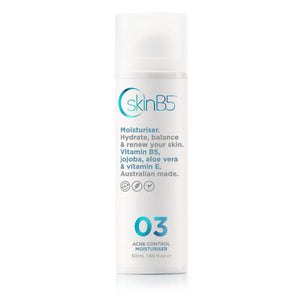
Acne Control Moisturiser 50ml
Add To Cart -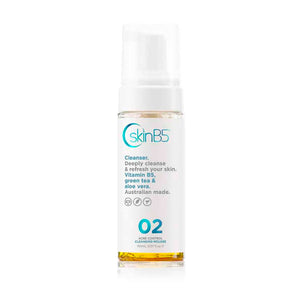
Acne Control Cleansing Mousse 150ml
Add To Cart -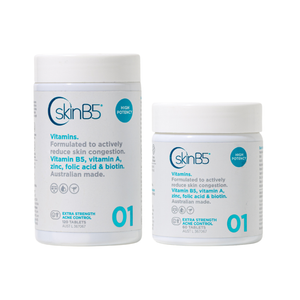
Extra Strength Acne Control Vitamins - choose from 2 pack sizes
Add To Cart -FAQs
Is a boil a type of acne? No. Acne is a clogged, inflamed pore. A boil is a bacterial infection of a hair follicle, usually caused by Staphylococcus aureus. They can look similar but have different causes and different treatments.
Can you pop a boil like a pimple? No. Squeezing a boil can push the infection deeper and spread bacteria. Use warm compresses and let it drain on its own, or have a doctor drain it.
What does a boil look like? A red, swollen, painful lump, often 1–2 cm or larger, that grows over a few days, becomes soft, and develops a yellow-white pus-filled centre before draining.
Are boils contagious? The boil itself isn't, but the Staph bacteria inside it spread by skin contact and shared items. Keep it covered, wash hands after touching it, and don't share towels or razors.
How long does a boil take to go away? Most drain and heal within one to three weeks with warm compresses. See a doctor if there's no improvement after about a week.
What's the difference between a boil and a carbuncle? A boil is a single infected follicle. A carbuncle is a cluster of boils connected under the skin, forming a larger, deeper mass that usually needs medical drainage and antibiotics.
Skin Health & Wellness Articles
RSS
Does Drinking Water Help Acne?
Does Drinking Water Help Acne? Not the Way You've Been Told. Short answer: No, drinking water doesn't clear acne. There's no good evidence that water...

Are Pimple Patches Actually Effective?
Pimple patches have quickly become a staple in modern skincare routines, earning widespread attention for their ability to target blemishes with precision. These tiny, sticker-like...


