


Butt acne. Buttne.
Posted by Farah Afridi on
Butt Acne (Buttne): It's Probably Not Acne, Which Is Why Your Acne Products Aren't Working
Short answer: Most bumps on the buttocks aren't acne. They're usually folliculitis (inflamed or infected hair follicles, from sweat, friction and sitting), keratosis pilaris (harmless rough "chicken skin" bumps), or occasionally a boil. Each looks a little different and each needs different care: gentle antibacterial cleansing and loose clothing for folliculitis, chemical exfoliation for keratosis pilaris, warm compresses and sometimes a GP for boils. Standard pimple treatments often irritate buttne rather than clear it.
Nobody wants to talk about it, so let's just get into it. You've got bumps on your bum. They're red, or rough, or occasionally the size of a marble and furious. You've tried your face products on them and, if anything, it's worse.
That's because the thing everyone calls butt acne is, most of the time, not acne. Your buttocks don't have the dense oil glands your face does, so the classic clogged-pore pimple is uncommon there. What you're dealing with is one of three or four other things, and treating it like a T-zone breakout is the reason it keeps coming back.
What is butt acne, actually?
| Looks like | Feels like | It's probably | What it needs |
|---|---|---|---|
| Small red bumps, sometimes with a tiny white tip, scattered across the cheeks | Itchy, mildly sore | Folliculitis (inflamed or infected follicles) | Antibacterial wash, loose clothing, no shaving/waxing until clear |
| Tiny rough, skin-coloured or pinkish bumps, "sandpaper" texture | Nothing, or slightly itchy | Keratosis pilaris | Chemical exfoliation (lactic, salicylic or urea), moisturiser |
| One large, hot, painful lump that grows over days and fills with pus | Throbbing | Boil (furuncle) | Warm compress; GP if it won't drain |
| Several boils joined into one deep mass | Very painful | Carbuncle | GP: drainage and usually antibiotics |
| Recurring painful lumps in the crease between buttocks or in the groin, sometimes leaking | Painful, comes back in the same spots | Possibly hidradenitis suppurativa | GP or dermatologist |
What causes buttne?
Follicles on the buttocks get a rough deal: they're sat on all day, wrapped in fabric, sweated into, and often shaved or waxed. Everything that irritates a follicle drives buttne.
- Friction and sitting. Long days in a chair, cycling, driving. Pressure and rubbing inflame follicles and trap sweat.
- Sweat and heat. Gym leggings, wet swimwear, staying in workout gear after training. Damp fabric against skin is a folliculitis factory.
- Tight or synthetic clothing. Shapewear, tight jeans, non-breathable underwear.
- Hair removal. Shaving, waxing and ingrown hairs open the follicle and let bacteria in.
- Bacteria and yeast. Staph aureus for bacterial folliculitis; Malassezia yeast for the fungal version (itchier, often after antibiotics or in hot climates); occasionally Pseudomonas from poorly chlorinated hot tubs ("hot tub folliculitis").
- Dry skin. Makes keratosis pilaris worse and leaves follicles more reactive. Winter buttne is usually this plus more layers and more sitting.
How to get rid of butt acne
Treat the cause you've identified, not "acne."
For folliculitis (red, itchy bumps)
- Shower straight after sweating. Not eventually. Straight after. Damp fabric is the number-one driver.
- Use a gentle antibacterial or benzoyl peroxide wash on the area a few times a week. Benzoyl peroxide (2.5–5%) has the best evidence for follicle bacteria; leave it on for a minute before rinsing, and know it bleaches towels and underwear.
- Stop shaving or waxing the area until it's fully clear, then switch to a clean razor and shave with the grain.
- Loose, breathable clothing. Cotton underwear, no shapewear while it's flaring, and loose sleepwear.
- Don't scrub and don't squeeze. Both push bacteria deeper and spread it.
- If it's itchy, spreading and not responding to the above in two to three weeks, it may be fungal. A pharmacist can suggest an antifungal wash; a GP can confirm.
For keratosis pilaris (rough, bumpy, not sore)
- Chemical exfoliation, not scrubs. A lotion with lactic acid, salicylic acid or urea, applied daily, dissolves the keratin plugs that cause the bumps. Loofahs and scrubs make it angrier.
- Moisturise every day after showering, while skin is damp.
- Accept it's chronic. Keratosis pilaris is genetic and harmless. It improves with consistent care and comes back if you stop. That's not you failing; that's the condition.
For a boil
Warm compress, 10–15 minutes, three or four times a day, and let it drain on its own. If it's larger than about 5 cm, hasn't improved in a week, or you develop a fever, see a GP. Full guide: Boil vs Pimple: How to Tell the Difference.
Where SkinB5 fits (and where it doesn't)
We're an acne brand, so here's the straight version. If your bumps are true acne, clogged pores with the same pattern you get on your face, chest or back, then oil is the driver and our routine applies: Acne Control Cleansing Mousse on the area in the shower, and Extra Strength Acne Control Vitamins to support healthy oil balance from within, which helps body acne everywhere at once.
If your bumps are folliculitis or keratosis pilaris, which is most buttne, a Vitamin B5 supplement is not a treatment for it and we'd rather say so than sell you the wrong thing. The Cleansing Mousse is still a good gentle, non-stripping wash for the area, but the fix is in the friction, the fabric, and the specific treatments above.
How to prevent buttne
- Change out of sweaty or wet clothes immediately
- Cotton or moisture-wicking underwear; skip tight synthetics for everyday wear
- Stand up and move every 45–60 minutes if you sit for work
- Shave with the grain, with a clean blade, or skip hair removal on the area
- Wash gym gear, towels and sheets on hot, and don't share towels
- Moisturise daily if your skin is dry or KP-prone
- Shower after hot tubs and pools
When to see a doctor about butt acne
- Bumps haven't improved after three weeks of the right care
- A lump is large, hot, growing, or hasn't drained in a week
- You have a fever, chills or feel unwell
- Painful lumps keep coming back in the buttock crease, groin or under the arms (possible hidradenitis suppurativa, which needs specialist care)
- A painful, swollen area near your tailbone (possible pilonidal cyst)
- You have diabetes or a weakened immune system and develop a boil
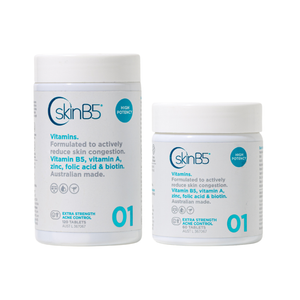
Extra Strength Acne Control Vitamins - choose from 2 pack sizes
Add To Cart -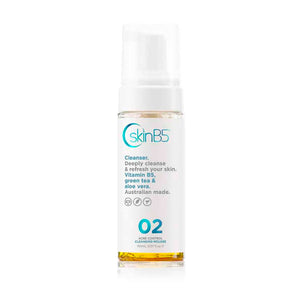
Acne Control Cleansing Mousse 150ml
Add To Cart -FAQs
Is butt acne real acne? Usually not. The buttocks have few oil glands, so true clogged-pore acne is uncommon there. Most "butt acne" is folliculitis (inflamed hair follicles), keratosis pilaris (rough keratin bumps) or a boil.
How do I get rid of butt acne fast? Shower immediately after sweating, use a benzoyl peroxide or antibacterial wash a few times a week, wear loose cotton, and stop shaving or waxing the area. Most folliculitis clears in two to three weeks with that routine.
Why do I get butt acne in winter? More sitting, more layers, drier skin and less showering after activity. Dry skin also worsens keratosis pilaris, which many people mistake for winter breakouts.
Does exercise cause butt acne? Exercise itself doesn't; staying in sweaty leggings afterwards does. Change and shower straight after training and it's largely preventable.
Should I pop butt pimples? No. Squeezing folliculitis or a boil pushes bacteria deeper, spreads it to nearby follicles and raises scarring risk. Warm compresses and the right wash do the job safely.
Can acne supplements help butt acne? Only if your bumps are true acne driven by oil. For folliculitis or keratosis pilaris, which is most buttne, supplements aren't the treatment; friction, fabric and targeted washes or exfoliants are.
Sources (from the original; recommend replacing with a clinical source such as healthdirect or DermNet before publishing):
- allure.com/story/how-to-get-rid-of-butt-acne
- everydayhealth.com/acne/buttocks-breakouts.aspx
- bellatory.com/skin/What-Pimples-On-Buttocks-Mean-And-How-To-Get-Rid-Of-Them
Related reading: Boil vs Pimple: How to Tell the Difference · Pimple on Breast: Causes, Treatment, When to Worry · Neck Pimples: Treatment and Prevention
Skin Health & Wellness Articles
RSS
Does Drinking Water Help Acne?
Does Drinking Water Help Acne? Not the Way You've Been Told. Short answer: No, drinking water doesn't clear acne. There's no good evidence that water...

Are Pimple Patches Actually Effective?
Pimple patches have quickly become a staple in modern skincare routines, earning widespread attention for their ability to target blemishes with precision. These tiny, sticker-like...


