


Does your hectic lifestyle and lack of Sleep affect your acne?
Posted by Farah Afridi on
Does Lack of Sleep Cause Acne? Yes, and Here's Why the Breakout Always Lands on Thursday
Short answer: Poor sleep and stress both raise cortisol, and your oil glands have receptors for it. More cortisol means more sebum, more inflammation and slower skin repair, which is the recipe for a breakout two to four days after a bad week. Sleep is also when your skin barrier rebuilds, so short nights compound the problem. The fixes with the best evidence: a consistent sleep window, screens off an hour before bed, ten minutes of slow breathing, and treating the oil surge from within rather than waiting for the pimples.
You know the pattern. Big deadline, three short nights, coffee instead of lunch, and by Thursday your chin has made a decision. It isn't coincidence and it isn't bad luck. Stress and sleep loss produce acne through a very specific chain of events, and once you can see the chain, you can break it.
How stress causes acne
Your skin has its own stress response. When you're under pressure, your brain releases CRH (corticotropin-releasing hormone), which triggers cortisol. Your sebaceous glands carry receptors for both. Cortisol and CRH tell them to make more oil. More oil means more clogged pores, and stress hormones also ramp up inflammation, which turns a clog into a red, angry pimple faster.
There's decent research behind this. Studies of university students have found acne severity tracks with exam stress, independent of diet and sleep changes. The effect isn't enormous, but it's consistent, and it matches what people see in the mirror.
Stress also changes behaviour. You touch your face more, pick more, eat more sugar, skip cleansing, and sleep less. Each of those is its own acne driver.
How lack of sleep causes acne
Sleep deprivation does three things to skin:
- Keeps cortisol high. Cortisol should drop at night. Short or broken sleep keeps it elevated, which keeps oil glands switched on and inflammation up.
- Stops repair. Skin does its heaviest barrier repair and cell turnover overnight. Cut sleep and you cut the repair window. A weaker barrier is more reactive, loses more water, and compensates with more oil.
- Raises inflammation body-wide. Even a few short nights measurably increase inflammatory markers. Acne is an inflammatory condition; you're feeding it.
Then it loops. Poor sleep raises stress. Stress wrecks sleep. Both raise oil. Acne appears. Acne is stressful. Round again.
The stress-sleep-acne loop
| What happens | What it does to skin | When you'll see it |
|---|---|---|
| Stressful day / deadline | Cortisol up, oil up | 2–4 days later |
| Short night | Repair skipped, barrier weaker, cortisol stays high | Next morning: dull, tight; breakouts within days |
| Three short nights + stress | Inflammation up, oil up, picking up | End of the week |
| Big weekend (late nights, alcohol, sugar) | All of the above plus dehydration | Monday–Tuesday |
If you can predict it, you can pre-empt it.
How to break the loop
Ranked by how much they actually move the needle.
1. Fix the sleep window before anything else
Same bedtime and wake time, seven days a week, within about an hour. Consistency matters more than total hours for cortisol rhythm. Aim for seven to nine hours; most people who say they're fine on five are not, they're just used to it.
2. Screens off an hour before bed
Blue light from phones, laptops and TVs suppresses melatonin, the hormone that tells your body it's night. The commonly quoted "half an hour" is on the light side; an hour is better, and dim the room while you're at it. Night mode and blue-light filters help, but the scrolling itself is stimulating regardless of colour. Charge the phone outside the bedroom if you can stand it.
3. Ten minutes of slow breathing
The one stress technique with reliable evidence for lowering heart rate and cortisol quickly. Sit or lie down, breathe in through the nose for four counts, out for six, for ten minutes. Longer exhale than inhale is the part that matters. Before bed is ideal; on a walk works too.
4. Look at the actual stressor
Breathing manages the response; it doesn't remove the cause. Look at the schedule, the expectations you've set for yourself, the ones others have set for you. If it's a person, talk to them. If it's a pattern you can't shift alone, talk to a GP or counsellor. Persistent stress and insomnia are medical issues, not character flaws, and they're treatable.
5. Protect the routine on the bad days
The nights you're most likely to skip cleansing are the nights your skin most needs it. Keep a gentle cleanser in the shower so it's a 30-second job, not a decision. Our Acne Control Cleansing Mousse clears the day's oil without stripping, with aloe and green tea to calm stressed skin, and the Acne Control Moisturiser supports the barrier repair you're asking your skin to do overnight.
6. Treat the oil surge from within
Here's the part topical products can't do. Stress and short sleep raise oil production everywhere, not just where you put a cream. Our Extra Strength Acne Control Vitamins use high-dose Vitamin B5 to support healthy oil balance from within, which means the deadline week doesn't automatically become the breakout week. It's a daily habit, not a rescue; the point is to have it working before the stress hits.
7. Make the bed worth being in
Old mattress, wrong pillow, room too warm. These are cheap fixes people ignore for years. A cool room (around 18°C), a dark room, and a pillow that actually supports your neck. Change the pillowcase twice a week; it collects the oil your stressed skin has been producing.
8. Watch the weekend
Late nights, alcohol (which fragments sleep even when it knocks you out), and sugar all stack. You don't have to skip the weekend; just know the Tuesday breakout was booked on Saturday, and cleanse, hydrate and sleep accordingly.
When to get help
If stress or sleeplessness has lasted more than a few weeks, is affecting work or relationships, or you're lying awake most nights, see a GP. Insomnia and anxiety respond well to treatment, and acne that's driven by them will improve alongside. And if acne itself is what's keeping you up, say that out loud to someone: it's a common, real source of distress and there's help for both.
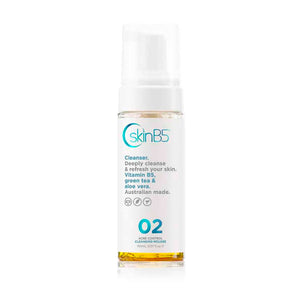
Acne Control Cleansing Mousse 150ml
Add To Cart -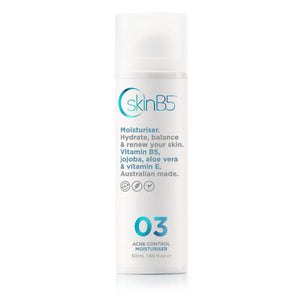
Acne Control Moisturiser 50ml
Add To Cart -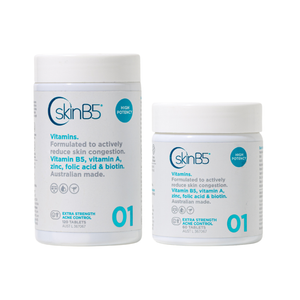
Extra Strength Acne Control Vitamins - choose from 2 pack sizes
Add To Cart -
Clear Skin Superfood Booster Sachets
Add To Cart -FAQs
Does lack of sleep cause acne?
It contributes. Short or broken sleep keeps cortisol elevated, which increases oil production and inflammation, and it cuts the overnight window when skin repairs its barrier. The effect shows up as breakouts two to four days after poor sleep.
Why do I break out when I'm stressed?
Stress hormones (cortisol and CRH) act directly on sebaceous glands, increasing oil, and they raise inflammation. Stress also increases face-touching, picking, sugar intake and skipped skincare, each of which drives acne.
How long after stress do you break out?
Usually two to four days. A pimple takes time to form once a pore clogs, so the breakout from a stressful Monday typically appears midweek.
How much sleep do I need for clear skin?
Seven to nine hours for most adults, at consistent times. Regularity matters as much as duration for keeping cortisol on a normal rhythm.
Does blue light before bed affect acne?
Indirectly. Blue light suppresses melatonin and delays sleep, and poor sleep drives acne through cortisol and reduced skin repair. Screens off an hour before bed helps.
Can supplements help stress acne?
They can support the oil-balance side. Vitamin B5 is used to support healthy sebum production from within, which is the pathway stress hormones push on. They don't replace sleep or stress management.
Stress raises oil. B5 supports balance. The SkinB5 Starter Kit pairs Vitamin B5 supplements with a two-step cleanse and moisturise you can keep up on your worst week.
Related reading: How Your Increased Stress Levels Are Affecting Your Skin · Change the Mindset to Win Over Stress · Rest Up This Holiday Season, Reward Your Skin
Skin Health & Wellness Articles
RSS
Does Drinking Water Help Acne?
Does Drinking Water Help Acne? Not the Way You've Been Told. Short answer: No, drinking water doesn't clear acne. There's no good evidence that water...

Are Pimple Patches Actually Effective?
Pimple patches have quickly become a staple in modern skincare routines, earning widespread attention for their ability to target blemishes with precision. These tiny, sticker-like...


